Xciting Art · Essay
Color theory basics: how artists actually use the color wheel
The color wheel looks like a kids' classroom poster, but it's really a map of relationships, and once you can read it, you start seeing the deliberate choices behind every painting, poster and film frame.
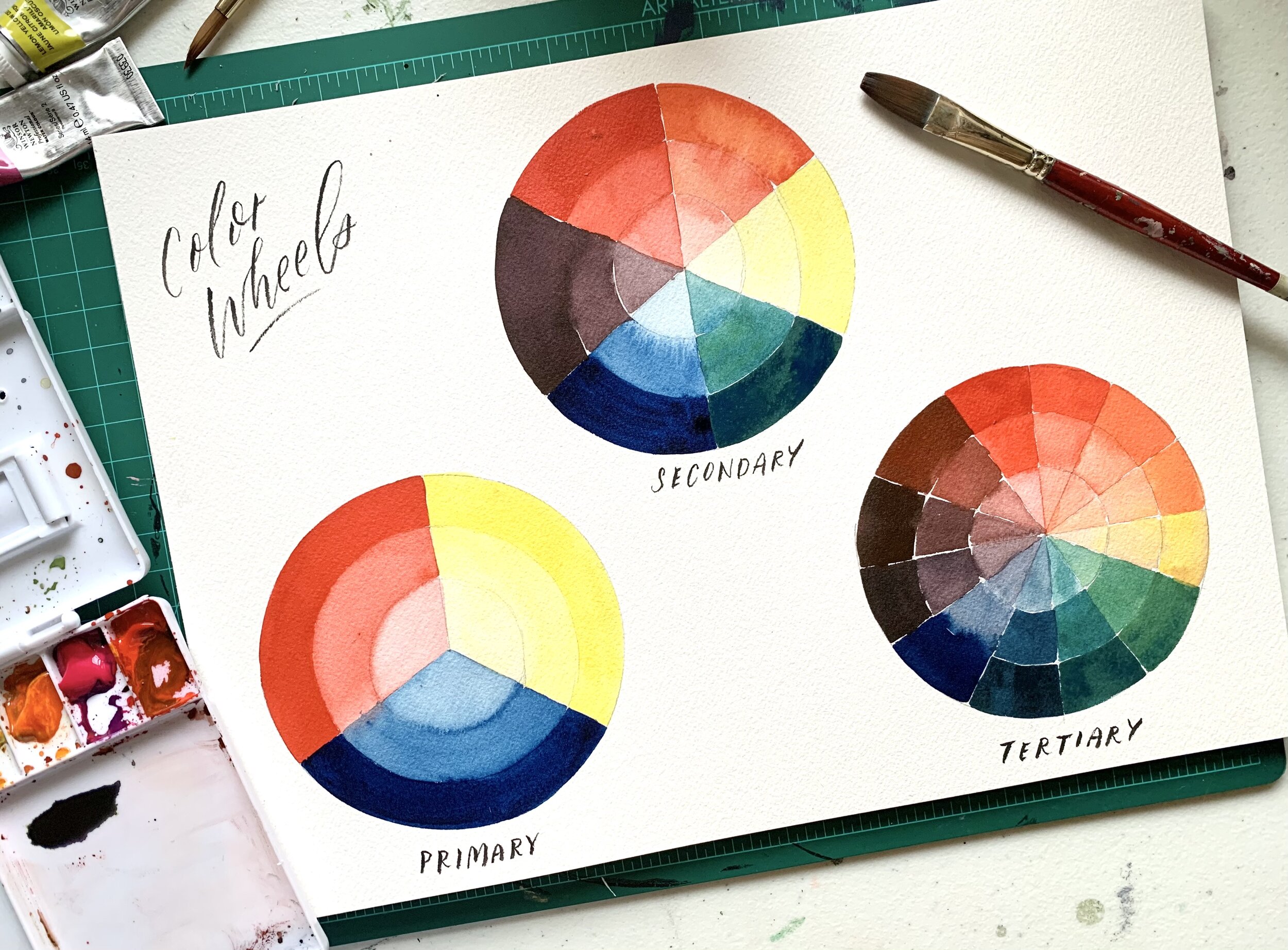
The three relationships that matter
- Complementary, colors opposite each other (blue/orange, red/green). Maximum contrast and energy. Why teal-and-orange movie posters pop.
- Analogous, colors next to each other (blue, blue-green, green). Calm and harmonious. Nature uses this constantly.
- Triadic, three colors evenly spaced. Balanced but vivid; a favorite of bold illustration.
Warm vs. cool
Reds, oranges and yellows feel warm and advance toward you; blues, greens and purples feel cool and recede. Painters use this to build depth on a flat canvas, warm subjects pop forward, cool backgrounds fall away.
The real lesson: color theory isn't rules to obey, it's why certain combinations feel a certain way. Artists learn it so they can break it on purpose. It's part of the same toolkit we cover in why abstract art is art, color used directly on emotion.
Want to see these choices across eras? Read modern vs. contemporary art. And to start living with color on your own walls, here's . For curiosity beyond the gallery, wider culture coverage.